Areas of experience

Full Stack Development

From sensor to screen—I develop end-to-end solutions that transform raw data into valuable insights. My expertise includes reading sensor data via communication protocols such as TCP, HTTP(S), and gRPC; storing it in databases like SQL Server, InfluxDB, and MongoDB; and visualizing it through real-time dashboards and Supervisor Desk applications developed with Unity3D/C#.

Whether it's local OT environments or central data platforms — I ensure a reliable and cohesive solution across the entire chain.

Supervisor's Desk Container Terminals

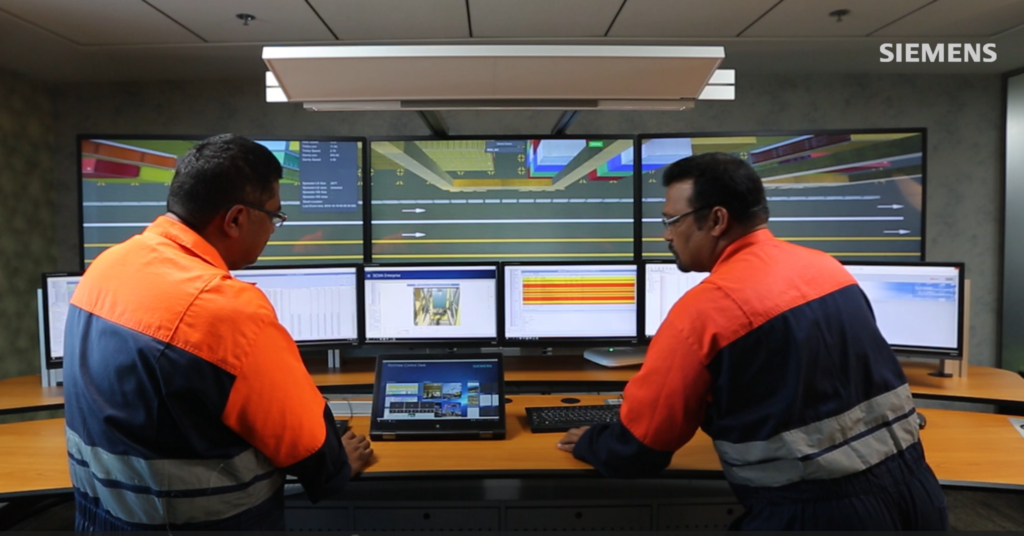
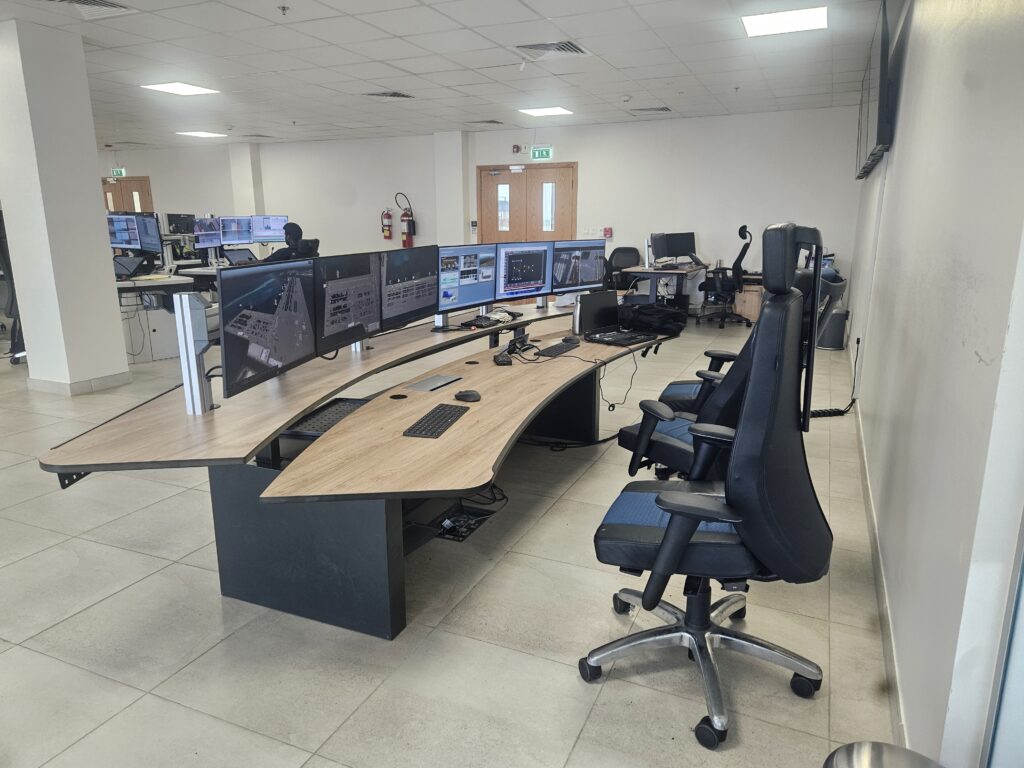
One of my specializations is the development of Supervisor Desk systems for container terminals. I independently developed the entire system—from technical design to software—in collaboration with Siemens.

The system combines a real-time 3D environment (Unity3D/C#) with live operational data from crane control systems, TOS interfaces, and camera systems. Deviations in terminal operations are immediately visualized and accompanied by audible alerts, enabling supervisors to intervene quickly and effectively. The result is an integrated overview that contributes to higher terminal productivity and cost-effective decision-making.

Vibration Spectrum Analysis & Anomaly Detection

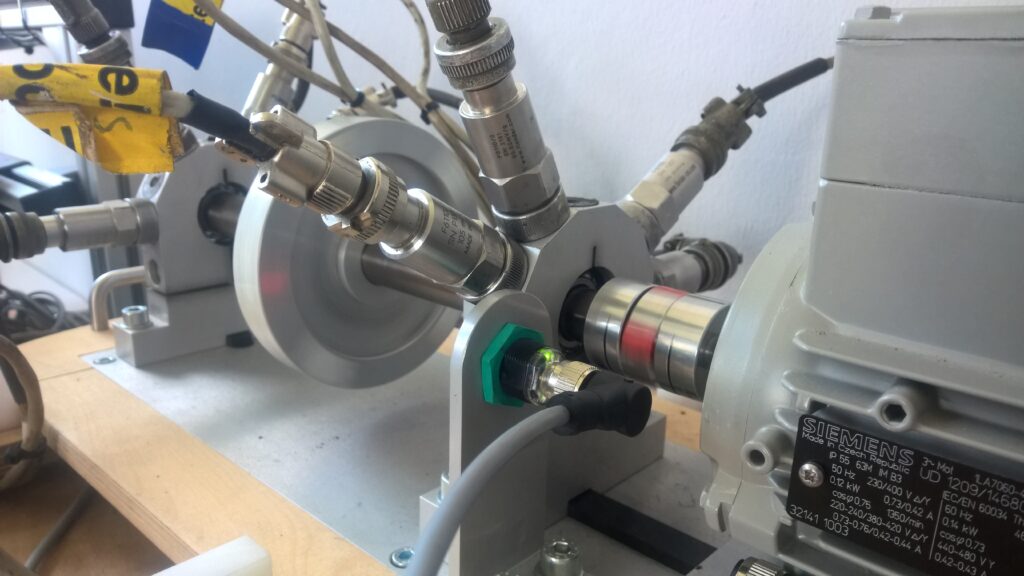
Another specialty is the development of systems for vibration spectrum measurements and anomaly detection on rotating machinery. Via sensors, a periodic snapshot of the vibration spectrum is recorded and stored. Using neural networks, deviations in the spectrum over time are automatically detected and visualized.

This approach makes it possible to signal wear or defects at an early stage, even before a failure occurs—thereby contributing to predictive maintenance and higher plant availability.

Predictive Maintenance — Harbor Cranes

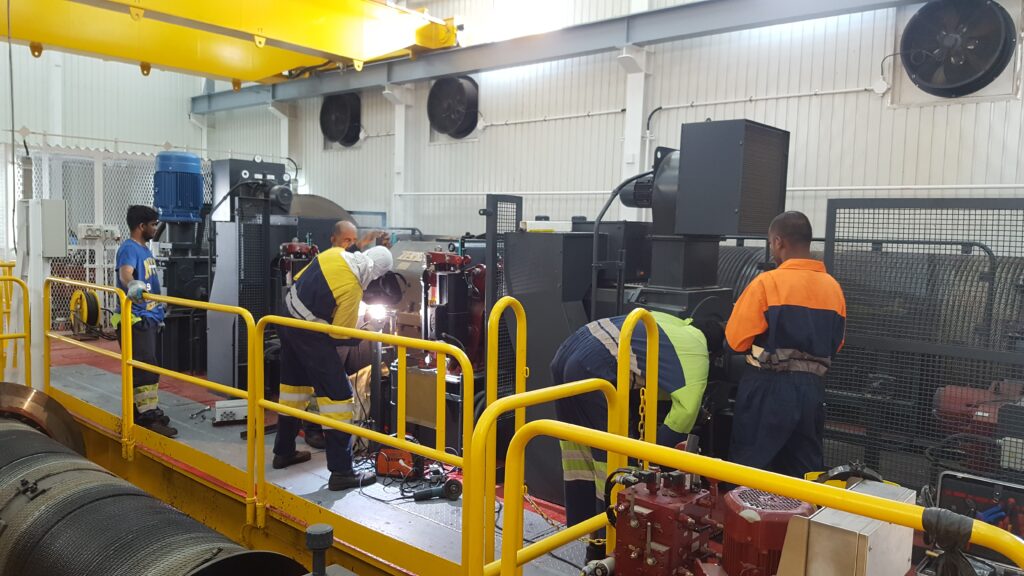
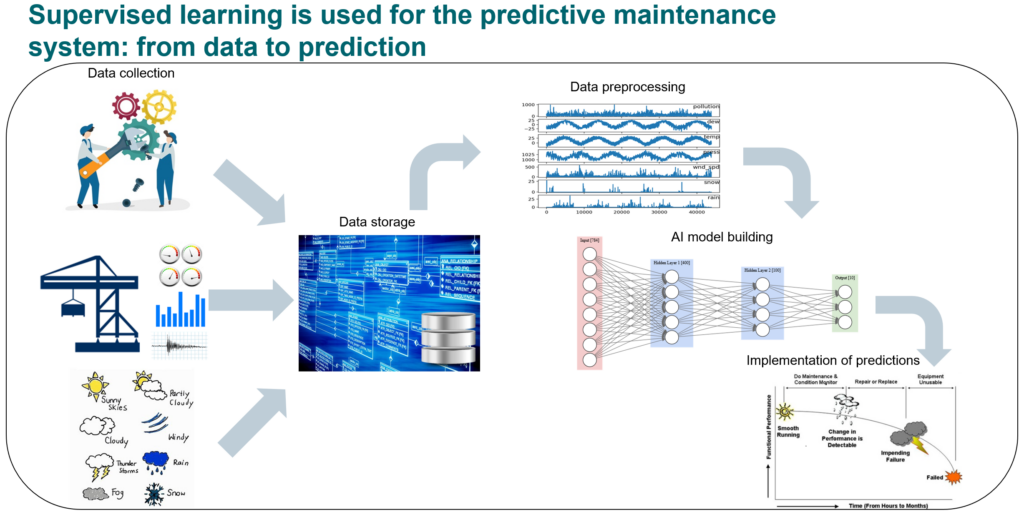
Predictive maintenance aims to predict failures in harbor cranes before they occur, thereby minimizing unplanned downtime and ensuring terminal availability.

Based on continuously collected sensor data—at intervals as short as half a second—three tasks are performed: detection of anomalous behavior using autoencoders, prediction of the remaining lifespan of critical components, and classification of imminent failure types. The time series predictions are implemented with LSTM neural networks, trained on NVIDIA RTX hardware, using Python, TensorFlow, and Keras as the development environment.

Virtual & Augmented Reality

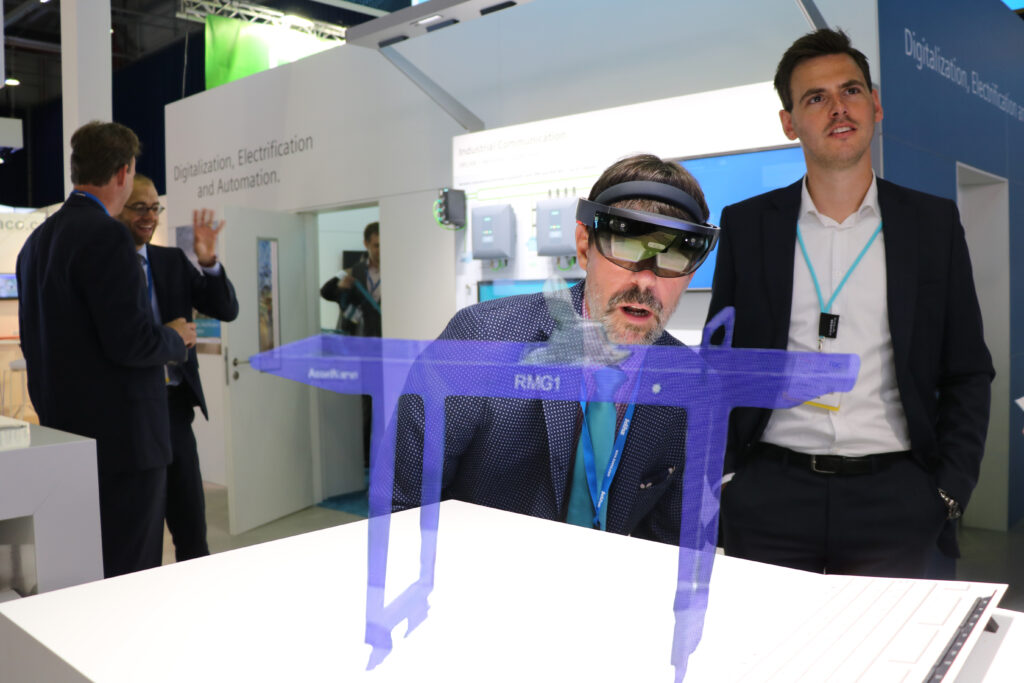
I develop applications for both Virtual Reality and Augmented Reality, using Unity3D as the development platform.

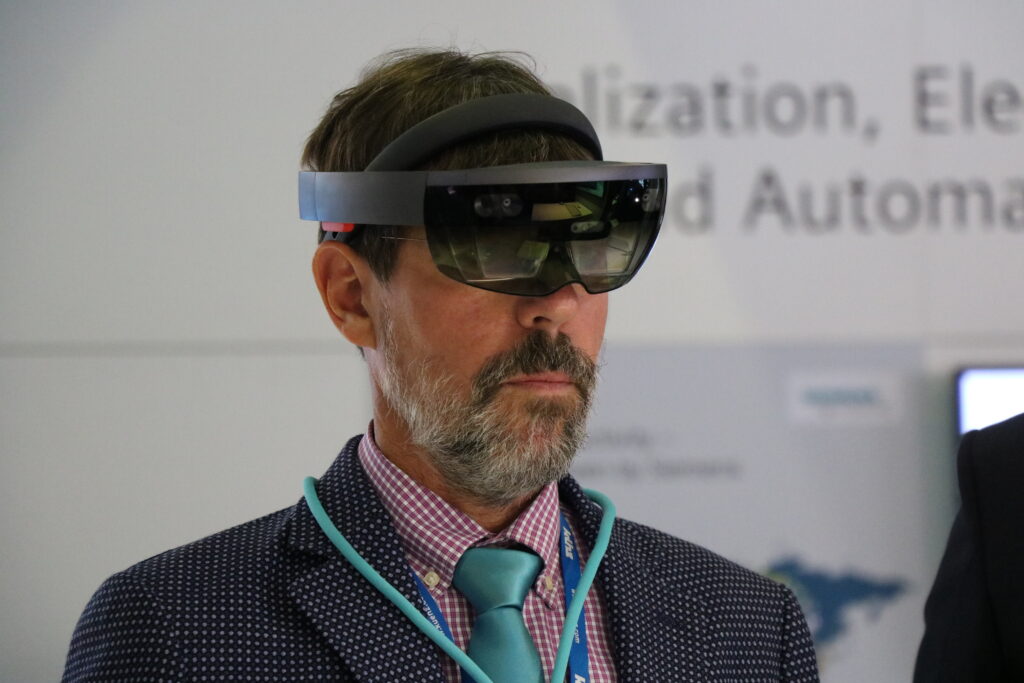
For the Oculus Rift, the user is fully immersed in a virtual environment, where the physical world is completely replaced by a digital one. For the Microsoft HoloLens, the user continues to see their own environment, but with virtual objects projected over it — also known as Mixed Reality. This opens up possibilities for applications such as technical instructions, remote assistance, or visualizing installation data directly on the physical machine.

For both platforms, I manage the entire development process, from concept and 3D environment to the final application.

Laser Scanner & LiDAR Data Processing

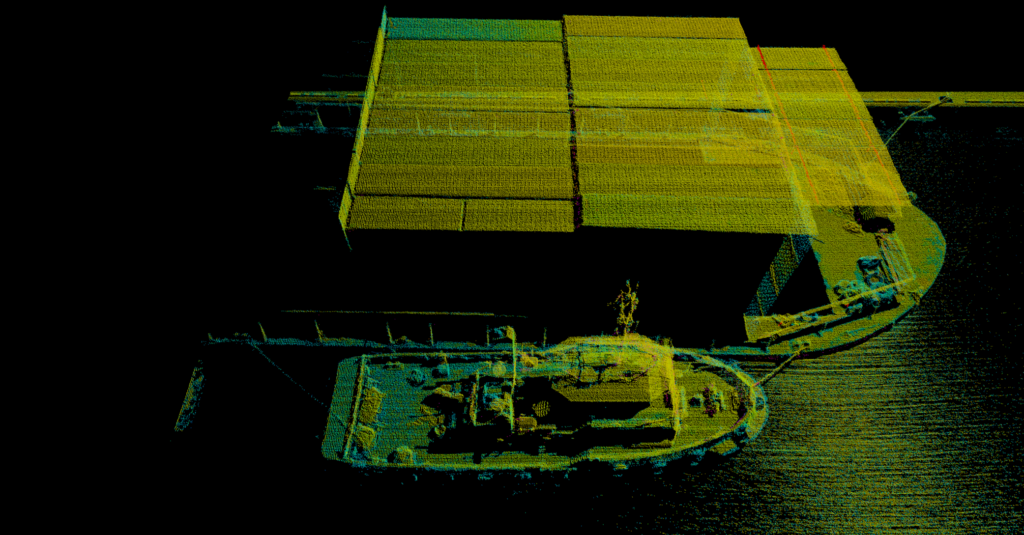
I have experience processing scan data from laser scanner (Sick TripleN) and LiDAR systems (Velodyne). The raw scanner output is processed into a three-dimensional environmental model, which can be used for accurate positioning and collision detection.

The scan data can also be visualized online, offline, and in replay mode within Unity3D, enabling both real-time monitoring and analysis of historical situations.

Video Integration & PTZ Control

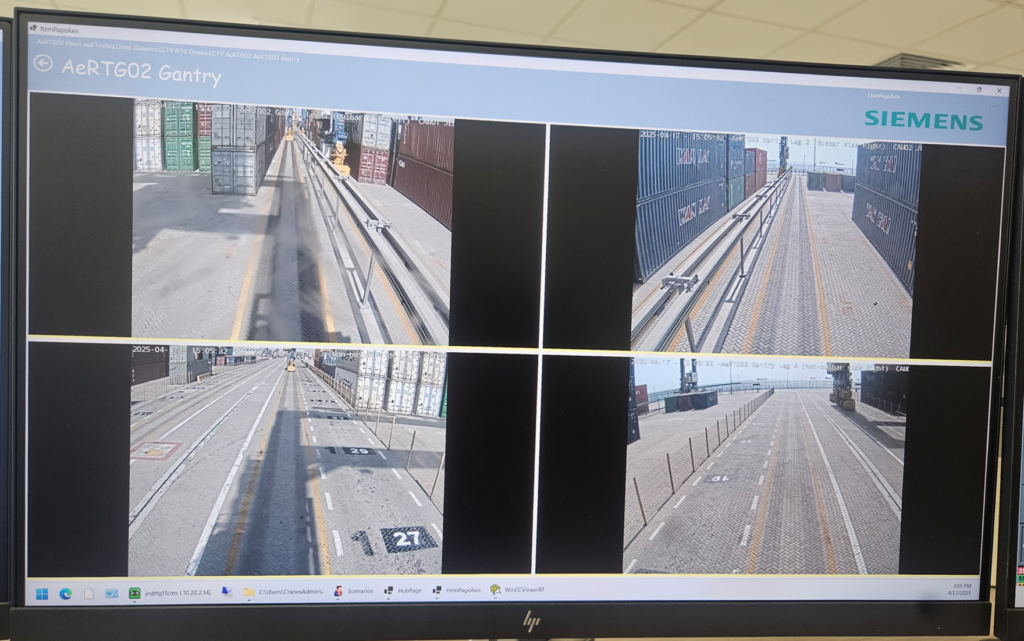
I have experience integrating video streams and PTZ camera control into operational applications. This includes composing a mosaic view of multiple simultaneous video streams, as well as automatically tracking a target with dynamic zoom – controlled based on real-time data and commands from equipment automation systems.

This functionality provides operators with a complete situational overview, with camera control seamlessly integrated with the underlying plant automation.

Prototyping

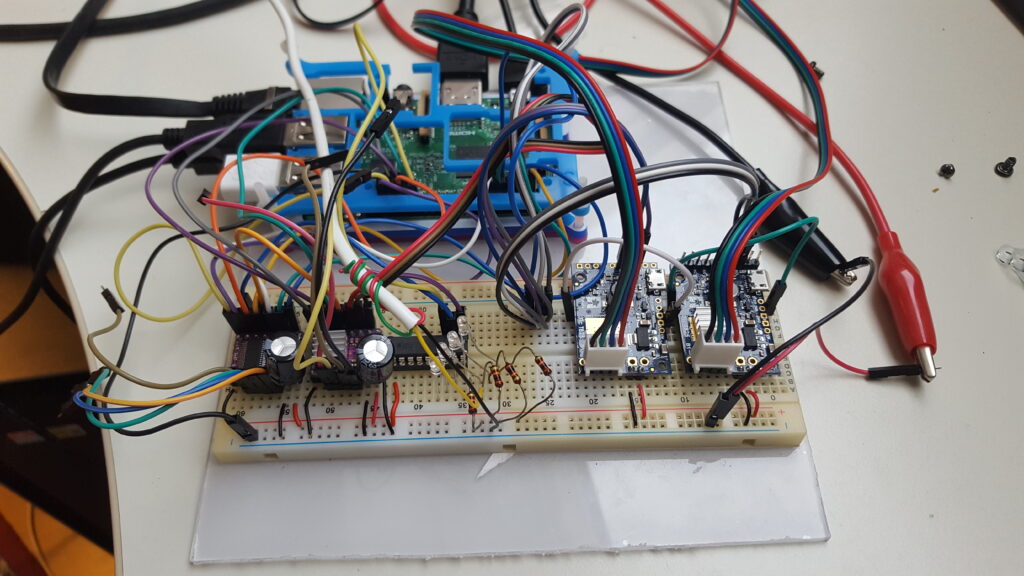
When developing new applications, I like to use prototyping as the first step towards an industrial solution. With platforms like the Raspberry Pi and electronic components from specialized suppliers, a working concept can be realized quickly and cost-effectively.

This allows me to validate ideas early, test communication protocols, and try out sensor integrations — before moving on to industrial hardware. Prototyping thus shortens the development cycle and reduces the risk during final implementation.

SICMA / SICMA Enterprise Systems

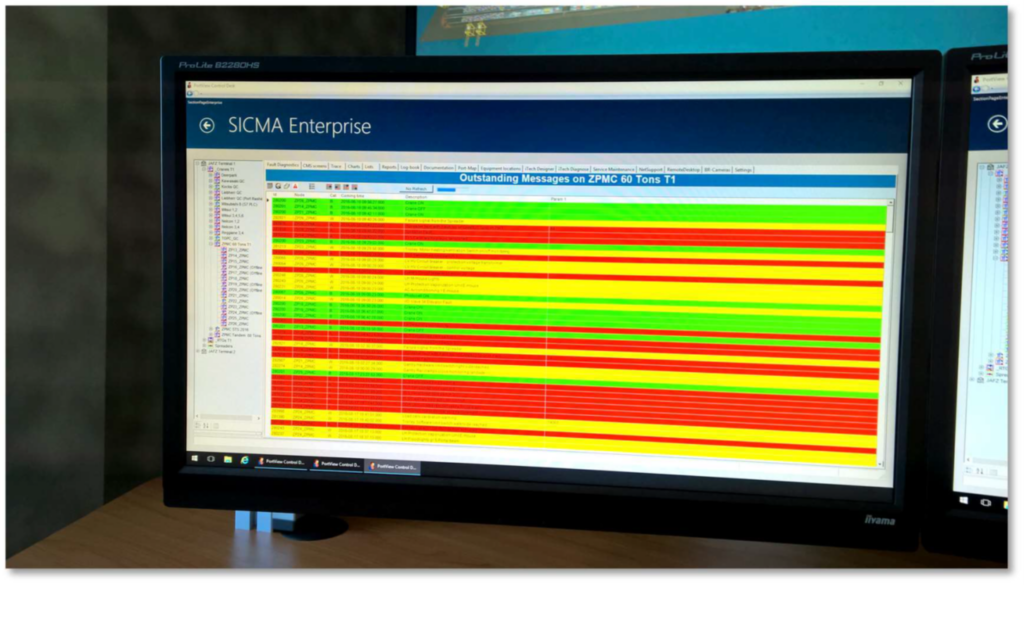
The Siemens Crane Management System was developed by me and some enthusiastic colleagues, and later evolved into a leading data acquisition, visualization, and reporting system for container terminals. Starting in 2016, this system was succeeded by Simocrane CMS for new projects. Numerous installations are still using the SICMA Enterprise system.

SICMA Enterprise's strength lies in its accessible open database structure (both at the local tap and at the Enterprise level) and the extremely efficient communication between local SICMA systems and the overarching SICMA Enterprise system. 

In the period after 2016, I consistently implemented updates in the context of Predictive Maintenance, Vibration Monitoring, and Video Streaming. SICMA Enterprise is available as a DotNet Core 10 application.